

- April 17, 2025
- DRNAVALESAYURVEDICCLINIC
- 0 Comments
- Uncategorized
Effective Treatments for Piles: From Home Remedies to Surgery
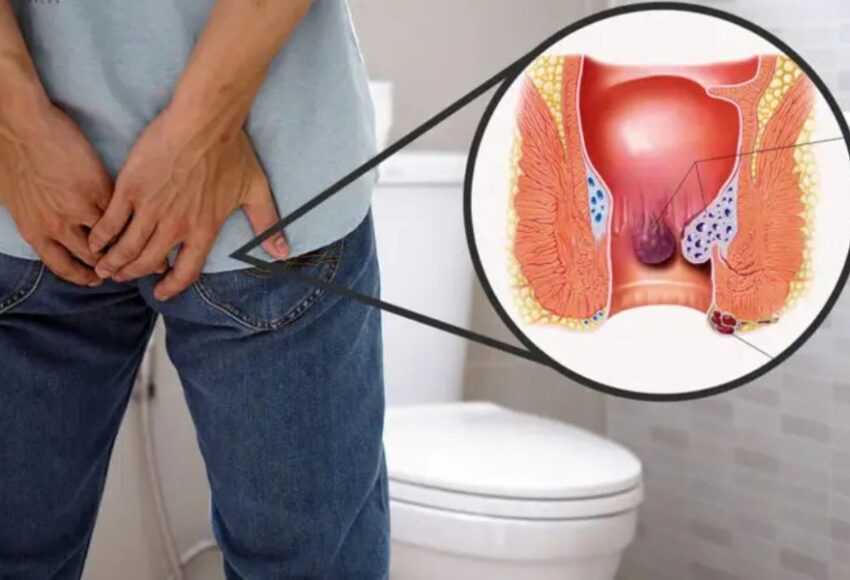
Hemorrhoids, commonly known as piles, are swollen veins in the rectum or anus that can cause pain, itching, and bleeding. While they can be uncomfortable and disruptive, the good news is that most cases of piles can be effectively treated — and even prevented — with the right approach.
In this blog, we’ll walk you through the various treatment options for piles, from simple home remedies to advanced medical and surgical interventions.
1. Home Remedies for Mild Piles
If caught early, mild piles can often be managed at home with lifestyle and dietary changes:
-
High-fiber diet: Include plenty of fruits, vegetables, and whole grains to soften stool and reduce straining.
-
Hydration: Drink at least 8-10 glasses of water daily to prevent constipation.
-
Warm Sitz Baths: Soaking the anal area in warm water for 10–15 minutes several times a day helps relieve discomfort.
-
Cold compresses: Applying ice packs can reduce swelling and pain.
-
Avoid straining: Don’t delay bathroom visits and avoid sitting for too long on the toilet.
2. Over-the-Counter (OTC) and Prescription Medications
Topical treatments and oral medications can help reduce symptoms like pain, swelling, and itching.
-
Topical creams and ointments (like hydrocortisone or witch hazel)
-
Suppositories for internal hemorrhoids
-
Oral pain relievers like acetaminophen or ibuprofen
-
Laxatives or stool softeners, if constipation is a contributing factor
These are best used short-term and under a doctor’s guidance to avoid side effects.
3. Minimally Invasive Procedures
When conservative treatments don’t bring relief, minimally invasive procedures are the next step.
-
Rubber Band Ligation: A rubber band is placed around the base of the hemorrhoid to cut off its blood supply, causing it to shrink and fall off.
-
Infrared Coagulation (IRC): A heat-based procedure that causes the hemorrhoid to harden and shrink.
-
Sclerotherapy: A chemical solution is injected to shrink the hemorrhoid.
These are outpatient procedures and typically require minimal downtime.
4. Surgical Treatments for Severe Piles
In more advanced or recurring cases, surgery might be necessary:
-
Hemorrhoidectomy: Surgical removal of hemorrhoids. It’s effective but has a longer recovery period.
-
Stapled Hemorrhoidopexy: Staples are used to reposition the hemorrhoid and cut off its blood flow. This procedure is less painful but not suitable for all cases.
-
Laser Hemorrhoid Surgery: A newer, less invasive option with faster recovery.
Surgery is generally considered when other treatments have failed or complications like thrombosis or prolapse occur.
When to See a Doctor
If you experience:
-
Rectal bleeding
-
Severe or persistent pain
-
A lump that doesn’t go away
-
Changes in bowel habits
…it’s time to seek medical attention. Your doctor can diagnose the cause and guide you toward the most appropriate treatment plan.
Final Thoughts
Piles are a common condition — and nothing to be embarrassed about. With the right care and treatment, you can manage the symptoms effectively and prevent future flare-ups. Whether it’s a lifestyle change, a prescription, or a minor procedure, there’s a solution that fits your needs.
If you’re struggling with piles, don’t suffer in silence. Book a consultation today and get on the road to relief!
